
WHAT DO THE 2025 TARIFFS MEAN FOR INDUSTRIAL MANUFACTURERS?
If you're in industrial manufacturing—whether metal fabrication, woodworking, machinery assembly, or general industrial production—you've likely heard about recent tariffs impacting imports and costs. If you're feeling concerned or uncertain, you're not alone.
While these tariffs aim to encourage domestic sourcing, many manufacturers relying on imported materials to manage costs and maintain smooth operations now face new complexities. You need clarity on how these policy shifts may affect your business. We're here to explain the broader implications across industrial manufacturing and offer actionable steps to help your business remain resilient amid rising costs and evolving supply chains.
HOW TARIFFS MAY AFFECT INDUSTRIAL USERS OF WORKHOLDING & STRIKING TOOLS
Here's what your operations might experience:

INCREASED MATERIAL COSTS
Prices for raw materials, components, and machinery could rise, affecting your operational costs across the board.

SUPPLY CHAIN DISRUPTIONS
Tariff-related changes might complicate sourcing, leading to longer lead times, potential shortages, and higher logistical complexity.
COMPETITIVE PRICING PRESSURES
Higher input costs could necessitate raising your prices, potentially affecting your competitiveness, especially in international markets.

ECONOMIC UNCERTAINTY
Global markets may respond with reciprocal tariffs, impacting exports, shifting demand, and introducing further unpredictability.
STRATEGIES FOR TARIFF RESILIENCE
Despite these challenges, industrial manufacturers can proactively adapt. Consider these strategies:
- Diversify Your Supply Chain Explore relationships with multiple suppliers, including domestic options, to manage risks and stabilize costs.
- Enhanced Inventory Management Maintain adequate inventory reserves to buffer against price spikes and supply chain delays.
- Cost and Cash Flow Optimization Renegotiate supplier contracts, eliminate unnecessary spending, and streamline operations for efficiency.
- Explore Alternative Materials Assess whether alternative materials or components can reduce tariff-related costs without compromising quality.
- Transparent Pricing Adjustments Communicate clearly about pricing changes, emphasizing ongoing value and quality.
- Extend Equipment Lifespan Prioritize preventive maintenance, explore certified used machinery, and leverage authorized service providers to reduce operational downtime.
- Leverage Equipment Promotions and Financing Utilize promotions, sales, and financing programs from JET Tools to strategically manage equipment investments.
- Strengthen Industry Connections Engage with manufacturing networks and industry groups for mutual support and resource sharing.
- Strategic Financial Planning Update financial forecasts and investment strategies to accommodate rising costs.
LONG-TERM OPPORTUNITIES FOR MANUFACTURERS
Tariffs could lead to significant opportunities:
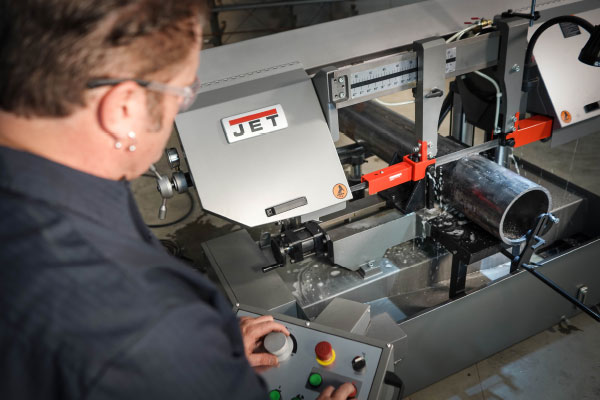
INCREASED DEMAND FOR DOMESTIC MACHINERY
Rising import costs could boost demand for domestically assembled equipment, benefiting local manufacturers.
RESHORING AND REGIONALIZATION MOMENTUM
Offering domestically produced products can provide a competitive edge in terms of cost stability and quicker delivery times.
MARKETING THE VALUE OF "MADE LOCALLY"
Increasing preference for domestically produced goods creates a powerful marketing message around quality and economic support.
GOVERNMENT INCENTIVES AND SUPPORT
Utilize available government incentives such as tax credits and grants designed to support domestic manufacturing competitiveness.
JET TOOLS IS COMMITTED TO SUPPORTING YOUR BUSINESS THROUGH THESE CHALLENGES.
If you're evaluating your equipment needs, our team is ready to help you explore your best options, discuss available incentives, and navigate financial planning for equipment investments.Together, we'll identify solutions that align with your operational needs and financial goals.
Contact Us